
Planning your first export? Here is what you need to get right before your goods leave India. Miss one step and you could face shipment delays, rejected refunds, or penalties. 1. Get your IEC (Import Export Code) Your 10-digit IEC from DGFT is mandatory for commercial exports. Without it, you can’t file a shipping bill. Your IEC number also needs to appear on export documents like the bill of lading. 2. Choose your GST route. Exports are zero-rated under GST, so no tax should stay on your exports. You have two options: LUT route: Export without paying IGST upfront. File Form RFD-11 on the GST portal every financial year, before your first export. IGST route: Pay IGST on the invoice and claim a refund later.
For FY 2026-27, the previous LUT expired on 31 March 2026, so you need a fresh one before your first export this year.
3. File the Shipping Bill on ICEGATE.
The shipping bill is your main customs declaration. Once customs processes it, you get the Let Export Order (LEO). No LEO, no loading.
4. Keep your export documents ready.
- Commercial invoice with packing list
- Bill of Lading (sea) or Airway Bill (air)
- Shipping Bill
- HS code for each product
- Certificate of origin, if the buyer asks for it
Make sure the quantities, values, and descriptions match across all of them. Mismatches are a common cause of clearance delays.
5. Check the export policy.
Some products are restricted or prohibited for export. Check your HS code against the current DGFT policy before you quote a foreign buyer.
6. Get paid through banking channels
Export payments must come through authorised banking channels under FEMA and RBI rules. Payment generally has to be realised within the RBI time limit, which is nine months from shipment unless extended. Your bank then issues an e-BRC (Bank Realisation Certificate). Keep it. You'll need it for your refund.
7. File your GST returns and claim refunds
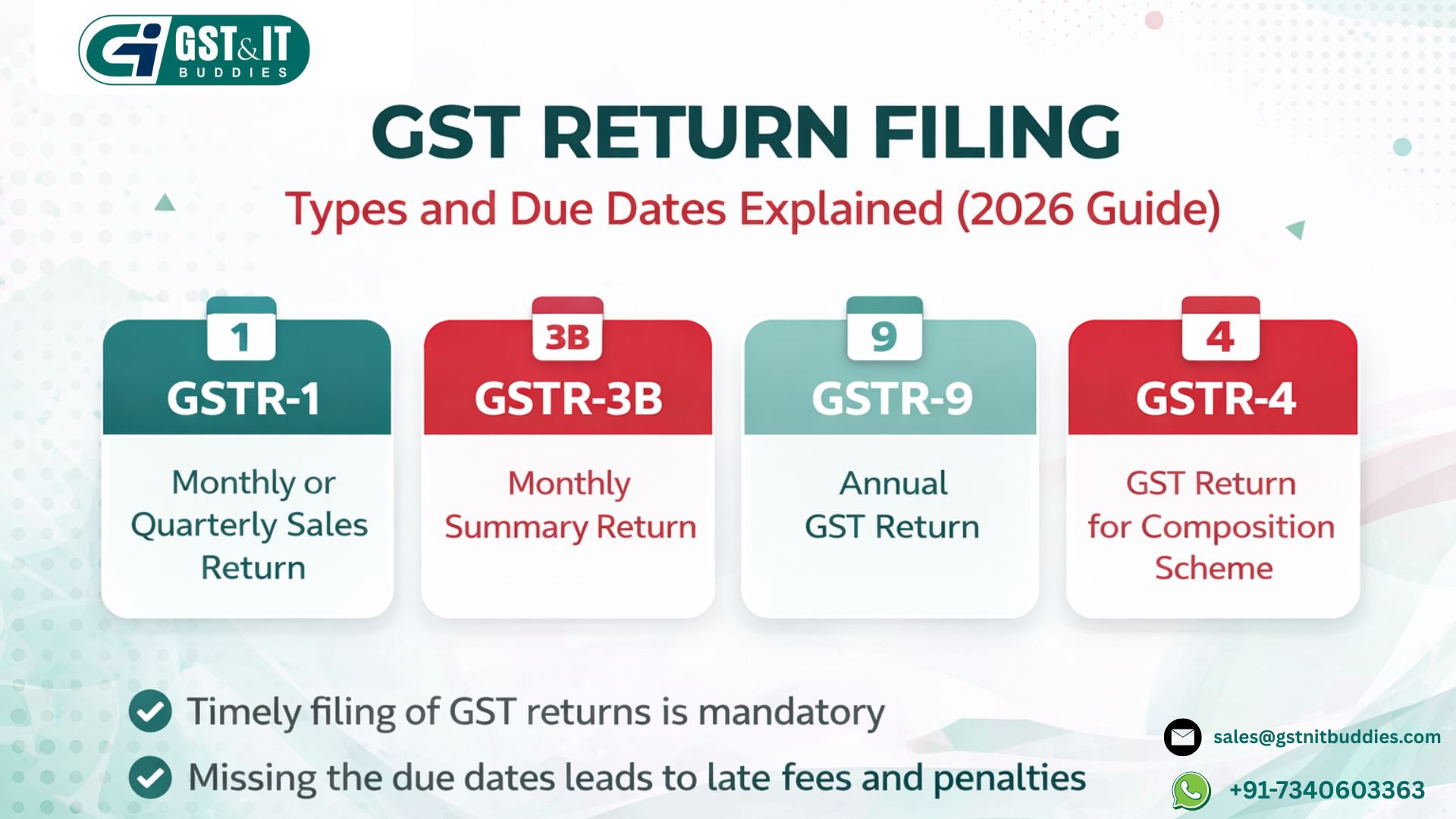
- Report exports as zero-rated in GSTR-1 and GSTR-3B.
- If you chose the LUT route, claim your refund of unutilized ITC through Form RFD-01.
- Most refund delays happen because of avoidable issues, like a missing LUT, mismatched invoice data, or missing e-BRC.
Common mistakes to avoid
- Shipping before filing the LUT for the year
- Wrong or missing HS codes
- Invoice values that don't match the shipping bill or bank records
- Forgetting to track the payment deadline
- Leaving the IEC number off documents
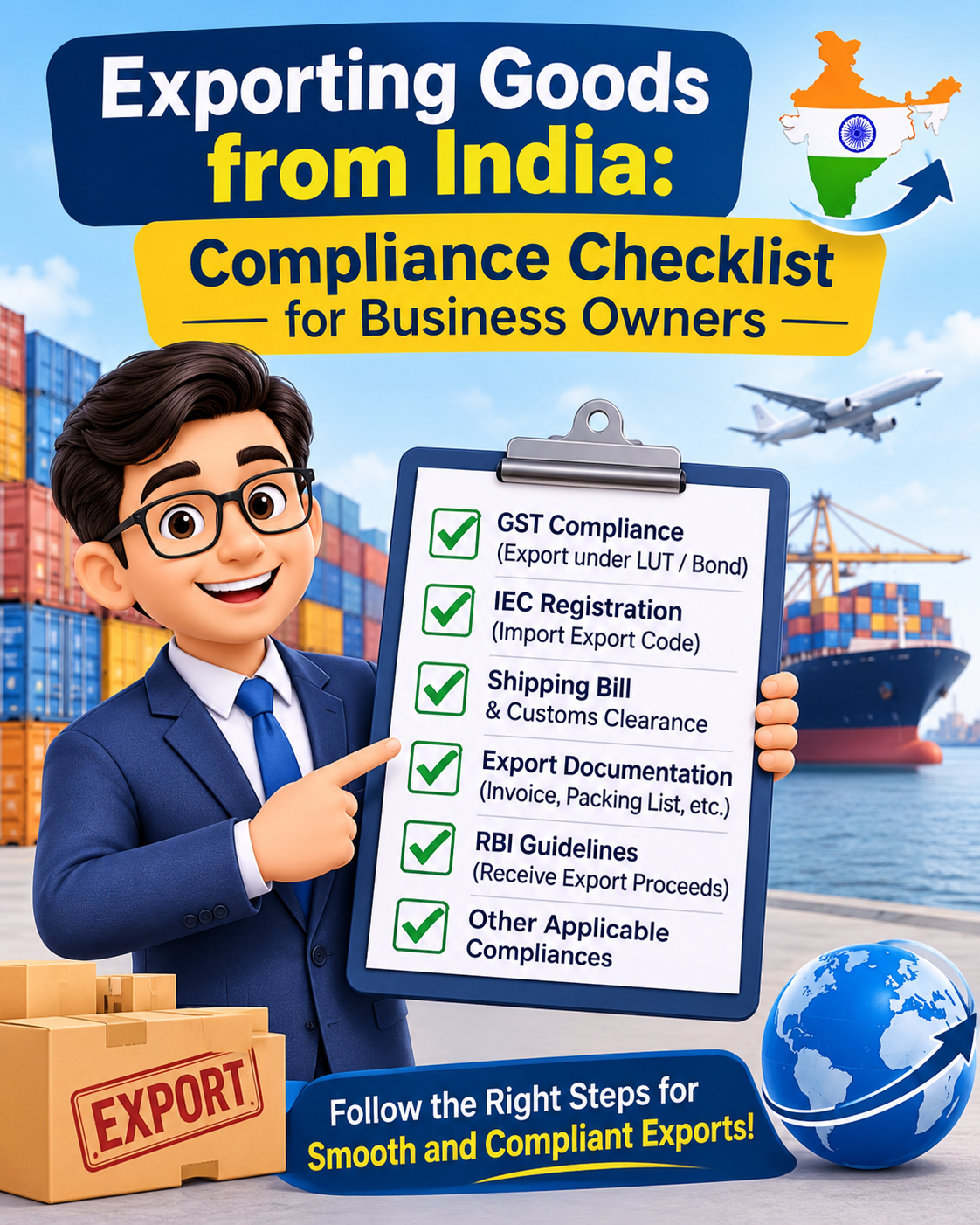
Export compliance checklist
✅ IEC obtained and active
✅ LUT filed for this financial year, or IGST route chosen
✅ HS code checked against export policy
✅ Shipping bill filed and LEO received
✅ Documents matched
✅ Payment realized and e-BRC obtained
✅ GSTR-1 and GSTR-3B updated, refund filed if applicable
Need help with IEC, LUT, or export refunds? Talk to GST & IT Buddies. Link in bio, or visit giblog.in.
General information only, not legal or tax advice. Consult a qualified CA or customs broker for your specific shipment.